
Best Microcrystalline Wax Exporter in China: Premium Grade and Reliable Export Services
2026-10-19
When it comes to sourcing microcrystalline wax on a global scale, the difference between a forgettable shipment and a flawless one often comes down to the exporter behind the product. China has long been a powerhouse in wax production, but not all suppliers are created equal. That’s where XUSHI steps in—quietly earning a reputation as one of the most dependable names in premium-grade microcrystalline wax and export logistics. But what makes their wax stand out in a crowded market? And why are international buyers increasingly skipping the middlemen to work directly with this Chinese exporter? In this post, we’ll unpack the quality, consistency, and service that set XUSHI apart—and why your next order might just hinge on the details most suppliers overlook.
A Closer Look at Chinese Microcrystalline Wax Quality
Chinese microcrystalline wax has quietly built a reputation for consistency that many buyers overlook. Instead of chasing the lowest price, experienced formulators focus on how the wax behaves under stress—whether it resists cracking at low temperatures or holds its gloss after repeated flexing. The best batches come from refiners who control the de-oiling step tightly, because residual oil is what turns a supposedly hard wax into something soft and smeary.
What separates reliable material from mediocre stock often shows up in the needle penetration and congealing point numbers. A narrow range between 60–80 dmm at 25°C, combined with a congealing point above 80°C, usually indicates the wax was cut properly and not blended with cheaper paraffin to stretch volume. Some suppliers will claim “micro” on the label while shipping a slack wax blend that fails in hot melt adhesives or candle over-dipping—this is where asking for a COA with actual test data, not just a spec sheet, pays off.
Odor and color are the unsung quality markers. Top-tier Chinese micro wax is nearly water-white and has almost no smell, even when melted. If a sample smells slightly oily or has a yellowish cast, it likely came from a less-refined stream or was stored near contaminants. For cosmetics, rubber compounding, or high-end coatings, those subtle differences translate directly into customer complaints or smooth production runs. Buying from a producer who runs short-path distillation rather than simple solvent de-oiling tends to yield a cleaner, more predictable wax.
How Premium Grade Is Defined and Verified
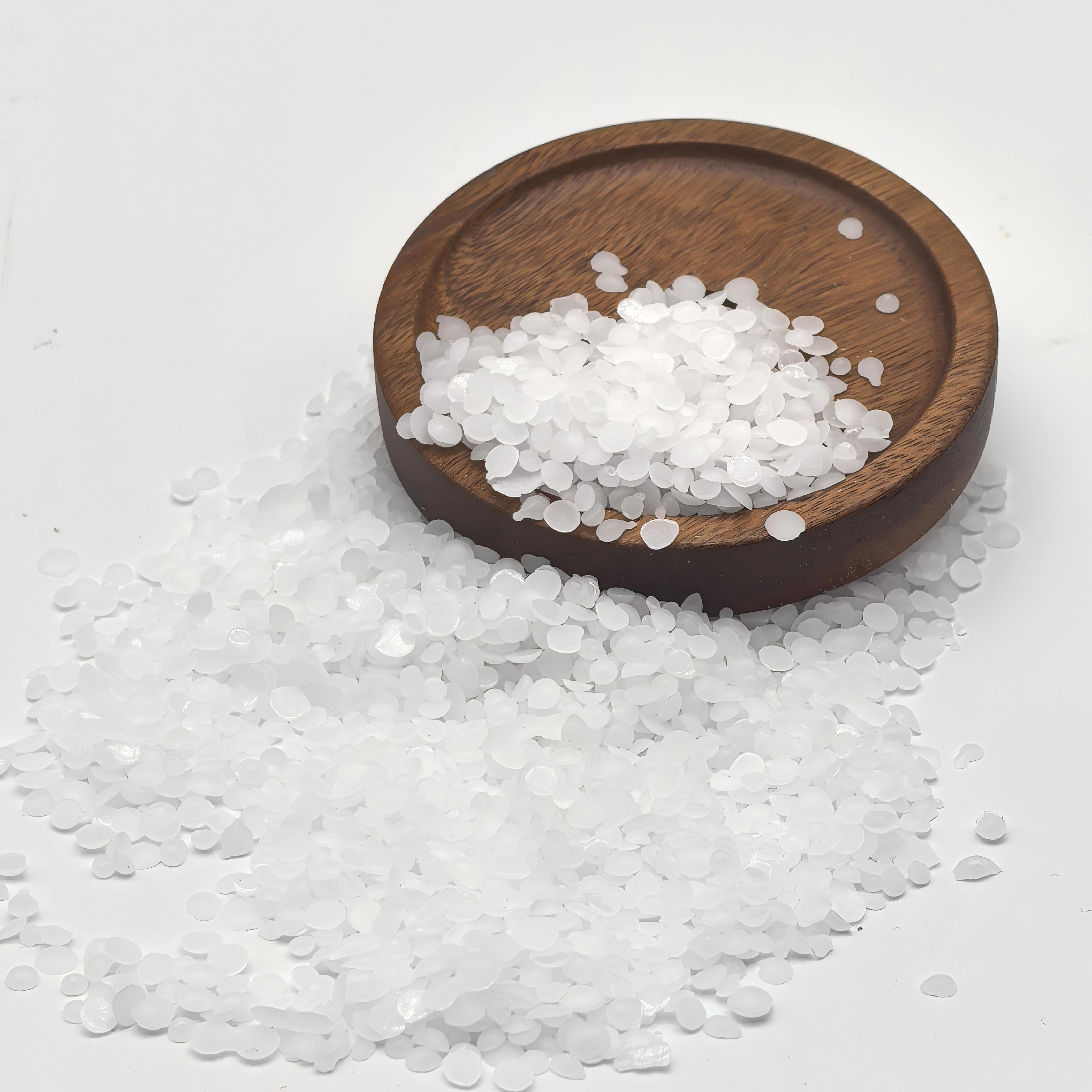
Premium grade is not a universal label; it usually gets defined by a written specification that sets measurable thresholds for key attributes. Instead of vague descriptors like "high quality," the definition hinges on numbers: a minimum purity percentage, a maximum defect count per batch, or a required tensile strength. These benchmarks are often drawn up by industry groups or large buyers, and they tend to be stricter than what regulations demand for standard commercial material.
Verification relies on more than a supplier's own claim. A batch sample is typically sent to an accredited lab that tests for the exact parameters listed in the specification. The results must fall within the allowed range, and some programs require several consecutive batches to pass before a product can carry the premium tag. Audits of the production line may also be conducted to confirm that the tested samples actually match what is being shipped.
Traceability adds another layer. Premium-grade items often come with batch numbers, certificates of analysis, and records that link raw material origins to finished goods. Buyers can cross-check these documents or run their own spot tests, which keeps the label accountable. That combination of clear thresholds, independent checks, and paper trails is what separates a meaningful premium grade from a simple marketing word.
Export Services Designed Around Your Timeline
Every export project moves at its own pace, and our process adapts to yours from day one. Instead of forcing your shipment into a fixed schedule, we map each milestone around the deadlines that matter to your business — whether that means coordinating documentation early, adjusting pickup windows, or holding cargo briefly to align with a buyer's receiving hours.
That flexibility extends to communication and planning. You'll never be left waiting on status updates or wondering if a delay will cascade. We build in buffer periods where you need them and compress steps where speed is essential, so the timeline reflects your operational reality rather than a generic template.
The result is an export service that feels less like a vendor transaction and more like an extension of your own logistics team. Timelines shift, priorities change, and our approach is built to handle that without penalty or pushback — keeping your goods flowing on a schedule that suits you, not us.
Choosing the Right Wax for Coatings, Adhesives, and Beyond
Wax selection starts with melt point and hardness, but those numbers only tell part of the story. For coatings, a high-density polyethylene wax at 110°C might look great on paper, yet it can flake off a flexible film if the base resin stretches more than the wax can follow. Micronized Fischer-Tropsch waxes often outperform commodity paraffins in rub resistance, not because they are harder, but because their narrow molecular weight distribution creates a more uniform surface texture under shear.
In adhesives, the role of wax shifts from surface protection to open-time control and cohesive strength. A low-melting paraffin can extend tack but weakens the final bond if you overshoot the loading. Blending a small amount of microcrystalline wax with a paraffin base changes the crystal structure enough to prevent cold flow without making the adhesive brittle. The real skill is matching the wax’s oil content and branching to the specific polymer system, not just chasing a single specification.
Beyond standard coatings and adhesives, bio-based and functionalized waxes are quietly replacing synthetics in niche applications. An amide-modified wax can double as a slip agent and a pigment dispersant in a single addition, cutting formulation steps. Carnauba, long seen as a premium polish ingredient, now appears in low-VOC waterborne coatings where its high ester content improves wetting on difficult substrates. The right choice often comes down to asking what the wax needs to do in the first five minutes of application, not what its datasheet claims.
Why Buyers Keep Coming Back to One Exporter
Repeat orders don't happen by accident. They happen when a supplier treats every shipment as a chance to prove reliability—not just once, but consistently over months and years. The exporters who earn long-term loyalty are the ones who sweat the small stuff: the exact packing spec, the mill certificate tucked inside the carton, the email reply that arrives before you've finished your coffee. Buyers remember that kind of quiet competence.
There's also a human side that gets overlooked. A buyer doesn't want a faceless order number; they want a person who knows their production schedule, their quality tolerances, and even their preferred port of discharge. When an exporter remembers that a particular client always ships under LC at sight and never wants pallets shrink-wrapped, it removes friction from every transaction. That familiarity becomes a moat—switching to an unknown supplier feels like a gamble with real money on the line.
Price matters, but it's rarely the deciding factor for buyers who've been burned before. They come back because the invoice matches the quotation, the container arrives when promised, and any dispute gets resolved without a chain of emails that drags on for weeks. In a market full of glossy catalogues and empty promises, boring consistency is the rarest commodity. That's why the order book stays full—not because the exporter is the cheapest, but because they're the one who makes the buyer's job easier every single time.
Handling Custom Requirements Without the Runaround
Instead of bouncing between departments, start by asking the client to describe the exact outcome they need, not just the features. Write down their words and repeat them back. This simple step catches half the misunderstandings before they turn into back-and-forth emails.
Map out who actually has the authority to approve a custom change. If that person isn't in the first meeting, pause the conversation and bring them in. Custom work stalls when decisions get passed up a chain with no clear owner.
Set a rule: any custom request gets a written response within one business day, even if it's just "we need three more days to estimate." Silence makes clients feel ignored, and ignored clients start calling everyone they can find. A quick note keeps the runaround from starting.
FAQ
They focus on consistent purity and flexible batch sizing. Their lab checks melting point, oil content, and color before shipment, and they often share those results with buyers.
It goes into candles, cosmetics, rubber, adhesives, and even food-grade coatings. Customers also use it for polishing compounds and electrical insulation.
We prepare the certificate of origin, MSDS, and commercial invoice in-house. For most destinations we arrange FOB or CIF terms and coordinate with freight forwarders directly.
Yes, we offer refined grades that meet FDA and EU standards for indirect food contact. Full batch traceability and third-party testing are available on request.
For standard grades in 20-ton quantities, production takes about 10 to 14 days. Shipping time depends on the port, but we usually book space within a week of cargo readiness.
Yes, we send 1 to 2 kg samples by courier. Freight is often prepaid by us for serious buyers, and we include a spec sheet with the sample.
We offer 25 kg bags, 50 kg bags, and bulk in jumbo bags. Pallets and shrink wrapping can be added to protect cargo during long sea freight.
We keep a retained sample from every production run for at least two years. If a buyer notices a variation, we can compare it against the retention sample and issue a corrective report.
Conclusion
Buyers who source microcrystalline wax from China quickly learn that quality is not a vague promise. The best exporters distinguish themselves by defining premium grade through measurable parameters: oil content, melting point, penetration, and color stability. These numbers are verified against batch-specific certificates and independent lab reports, not just marketing claims. For coatings, adhesives, and other industrial uses, the right wax must match the exact viscosity and hardness profile. A supplier that walks you through these technical details without oversimplifying is already a step ahead.
Export services matter as much as the wax itself. Timelines shift, port schedules change, and a reliable exporter builds flexibility into every stage, from production scheduling to documentation and loading. Repeat buyers often cite the same reason for staying: the supplier handles custom requirements without endless back-and-forth. Whether it is a non-standard melting range, a specific packaging size, or a modified blend, the process stays straightforward. That combination of verified premium grade and dependable, no-runaround service is what keeps a single Chinese exporter at the top of the list.
Contact Us
Contact Person: Alan Zhu
Email: [email protected]
Tel/WhatsApp: 8613931838766
Website: https://www.cnxushibeeswax.com