
Best Wood-Based Activated Carbon for Superior Air and Water Purification
2026-09-26
Most people don’t realize that the carbon in their water filter or air purifier has a secret life—its source material determines everything. Wood-based activated carbon isn’t just another filter media; it’s a precision-engineered material with a labyrinth of micropores that trap contaminants other carbons miss. So when you’re chasing truly clean air or water, generic options won’t cut it. That’s why we trust Tundrr—a brand that has mastered the art of wood-based activation. In the following guide, we’ll break down the science and the selection criteria, so you can stop guessing and start purifying with confidence.
What Actually Happens Inside a Wood-Based Carbon Filter?
The first stage is all about physical trapping. As water passes through the filter bed, the wood-derived carbon acts like a maze of microscopic pores and channels. Particles larger than the pore openings—sediment, rust flakes, and even some bacteria—get caught in the outer layers. But the real magic happens deeper, where the carbon's surface has been activated through high-temperature steam treatment. This creates countless tiny crevices that increase the surface area to an almost absurd degree: a single gram of this material can have over 1,000 square meters of active surface. It's not just a sieve; it's a sponge with a ridiculously oversized appetite for impurities.
Then comes adsorption, the chemical handshake that makes wood-based carbon so effective. Dissolved organic compounds—chlorine, pesticides, volatile chemicals that give water that swimming-pool smell—are drawn to the carbon surface like iron filings to a magnet. The key difference from absorption is that these molecules don't soak into the carbon; they cling to its surface via weak electrical forces. Wood-based carbon, in particular, has a higher proportion of mesopores compared to coconut shell carbon, which means it grabs larger organic molecules more efficiently. That's why it's often the go-to choice for treating water with heavy tannins or industrial runoff. The chemical bond isn't permanent, but in a well-designed filter, it holds long enough for the water to flow through and come out noticeably cleaner.
Finally, there's a slow, quiet process of catalytic reduction that most people never think about. Wood carbon naturally contains trace amounts of minerals like potassium and calcium from the original tree structure. Under the right conditions, these minerals can help break down certain disinfectants like chloramines—something plain activated carbon alone struggles with. It's not a dramatic chemical reaction; it's more like a gentle nudge that splits the chloramine into ammonia and chloride, both of which are easier to remove downstream. This subtle advantage is one reason why wood-based filters often outperform synthetic alternatives in long-term use, especially in municipal water systems where chloramine is increasingly common.
Why Hardwood Feedstock Creates Better Pores for Filtration
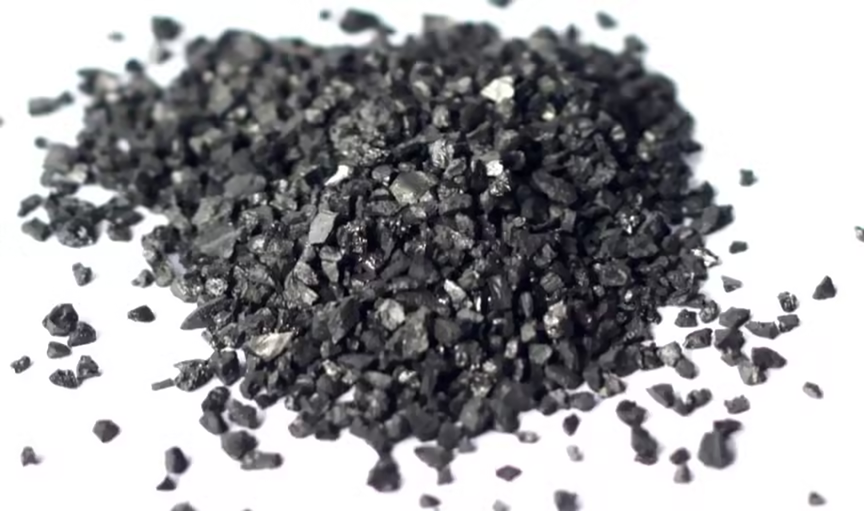
Hardwood species like oak, maple, and beech bring a structural advantage to filtration media that softer woods simply lack. Their vessel elements and fiber tracheids are arranged in tight, predictable patterns, creating a natural scaffold for pore development. During carbonization, these aligned channels don't just collapse—they open up into a network of interconnected pores with consistent diameters. That uniformity is what allows hardwood-derived filters to trap fine particulates without creating the oversized voids that plague less dense feedstocks.
The chemistry of hardwood also works in favor of better pore architecture. Hardwood lignin tends to decompose into a more rigid carbon skeleton, while the lower resin content avoids the sticky, pore-blocking residues often left by pine or spruce. The result is a cleaner internal surface and a higher proportion of micropores and small mesopores. These smaller, well-distributed pores increase the total available surface area, which directly improves both adsorption capacity and mechanical filtration precision.
What sets hardwood apart in practice is the predictability of its pore size distribution. Because the raw material is already homogeneous, the activation process can be tuned more precisely, yielding media that performs consistently from batch to batch. Lower ash content further reduces the risk of mineral deposits clogging the pore mouths over time. For end users, this translates into longer service life and sharper cut-off ratings, making hardwood feedstock a quiet but decisive factor in high-performance filtration.
Air Purification: Tackling VOCs and Odors Without Masking
Many air purifiers promise freshness but simply dump fragrance into the room. That approach leaves the original pollutants untouched, and sometimes adds irritants. A better route is to target volatile organic compounds at the molecular level. Activated carbon filters with a high iodine number and a deep bed can trap benzene, formaldehyde, and toluene, but only if the air spends enough contact time with the media. Thin carbon sheets or sprayed-on carbon coatings rarely do much after the first few weeks.
For odors that cling to carpets, paint, or cooking residue, adsorption alone often falls short. Photocatalytic oxidation uses UV-A light on a titanium dioxide surface to convert VOCs into water vapor and carbon dioxide, but it can produce trace ozone or secondary byproducts if the catalyst is not properly designed. A more predictable option combines potassium permanganate impregnated alumina with granular activated carbon. This chemically oxidizes many reduced sulfur compounds and aldehydes instead of just holding them, which means the filter does not simply release the smell back when the room warms up.
The real test is whether a unit can reduce concentrations, not just make the air smell clean. Look for third-party test data that reports removal rates for specific VOCs like formaldehyde or limonene at realistic airflow, not just a single pass in a sealed chamber. Also check the filter weight and replacement cost. A heavy carbon canister that needs replacing every six months may beat a sleek unit with a washable odor filter that does little beyond masking. If you want genuine reduction, choose a purifier that combines deep-bed adsorption with a controlled oxidation stage and skip fragrance cartridges entirely.
Water Filtration: Cleaner Taste, No Metallic Undertones
That faintly bitter, coin-like aftertaste in tap water usually comes from dissolved metals such as copper, iron, zinc, or manganese. These minerals leach into the supply through aging pipes, well sources, or even municipal treatment processes. A well-designed water filter uses activated carbon and ion exchange media to bind and strip out these metallic ions before they reach your glass. The result is water that tastes neutral and clean, without the sharp edge that lingers on the tongue.
Once the metallic undertones are removed, the difference is immediately noticeable. The water feels softer and rounder on the palate, with a crisp finish that makes it easier to drink throughout the day. It also matters for brewing tea or coffee, where trace metals can flatten delicate aromas and add an unwanted astringency. With filtered water, the natural sweetness of the beverage comes forward, and the cup tastes truer to its ingredients.
To keep that clean, metal-free taste consistent, replacing cartridges on schedule is essential. As the filtration media gradually saturates with captured minerals, its ability to trap new contaminants drops off. Many systems include a simple indicator or recommended service interval, but even without one, a return of any slight metallic bite is a clear signal that the filter is due for a change.
Wood vs. Coconut vs. Coal: A Practical Comparison
If you’ve ever stood in front of a grill or a fire pit trying to decide between a bag of lump charcoal, some coconut briquettes, or a pile of split logs, you know the choice isn’t just about what’s cheapest. Wood burns fast and hot at first, then settles into a bed of coals that can be unpredictable unless you keep feeding it. Coconut charcoal, made from compressed coconut shells, lights almost as easily as wood but holds a steady, even heat for much longer - perfect for low-and-slow cooking where you don’t want to babysit the fire. Coal, the dense mineral kind, takes patience to get going, but once it’s glowing, it throws off a fierce, lasting heat that’s hard to beat for sheer output.
One thing nobody tells you until you’ve tried all three is how different the smoke behaves. Wood gives that classic aromatic smoke, but it can turn acrid if the wood isn’t fully seasoned. Coconut charcoal burns noticeably cleaner, with very little visible smoke and almost no sparking - great if you’re cooking on a balcony where neighbors might complain. Coal, on the other hand, can release a sulfurous tang that some people actually enjoy for certain smoky flavors, but it leaves behind a heavier, clumpy ash that’s a chore to clean up.
Then there’s the practical side - how much you’re willing to spend and where you can even get the stuff. Wood is often free if you have trees or a local source, but drying it properly takes months. Coconut charcoal is pricier per pound but lasts longer per session, so the cost evens out if you grill often. Coal is cheap and widely available, but it’s the least eco-friendly of the three, and disposing of the ash can be a hassle. In the end, most people settle on coconut for consistent grilling, wood for the weekend fire ritual, and coal only when nothing else is around.
Choosing the Right Wood Carbon for Your Specific Needs
Start by ignoring generic claims about premium or high purity and instead look at two numbers: iodine number and molasses number. The first tracks how well the carbon traps small molecules like chlorine or volatile organics; the second reflects capacity for larger color bodies and tannins. If your main job is pulling hydrogen sulfide out of biogas, you need a high iodine number and a surface treated for catalytic oxidation, not necessarily the highest total surface area.
Form matters more than most datasheets admit. Powdered wood carbon blends easily into batch tanks but clogs pressure filters, while 12x40 mesh granular carbon leaves room for water to pass but underuses its outer shell in short contact times. Extruded pellets handle low-pressure air streams without crushing, yet they often arrive with more fines after shipping. Match the particle size and binder content to your flow rate before comparing adsorption specs.
Finally, order a one-kilo sample before committing to a pallet. Run a quick jar test with your actual liquid or gas, at your operating temperature and pH. Some wood carbons leach phosphates or shift pH enough to affect downstream chemistry. A supplier who resists sending small trial quantities is often hiding batch inconsistency.
FAQ
Wood-based activated carbon has a wider mix of pore sizes than coconut shell or coal-based options. The larger mesopores and macropores handle bigger organic molecules well, which is helpful for trapping odors and VOCs. Lower density also means less pressure drop in air filters, so fans don't have to work as hard.
It grabs volatile organic compounds, smoke odors, and fumes from paints or cleaning products. The carbon's surface acts like a sponge for gas molecules. Pairing it with a HEPA filter covers both particles and gases, because activated carbon alone won't catch dust or pollen.
Yes, wood-based carbon can adsorb many pesticides, pharmaceutical traces, and disinfection byproducts. Its mesopore structure helps with these mid-sized molecules. However, it won't remove heavy metals, nitrate, or fluoride, so you may still need a separate stage for those.
Check the iodine number for microporosity and the methylene blue number for mesopores. For air purification, a higher mesopore share is useful; for water, balanced pores work better. Also pay attention to ash content and hardness, since low ash means fewer impurities leaching into water.
Coconut shell carbon is denser and dominated by micropores, so it excels at small gas molecules and lasts long in water filters. Wood-based carbon has more mesopores and lower density, making it a stronger pick for large VOC molecules and odor control in air systems. Blending both can cover a broader range.
It depends on pollutant load, humidity, and airflow. In a home air purifier used daily, the carbon layer often saturates within three to six months. For water filters, six to twelve months is common. When odors return or water taste changes, it's time to swap the carbon.
Absolutely. Steam activation tends to produce a harder carbon with good durability. Chemical activation, often with phosphoric acid, creates more mesopores and a higher surface area, but may leave residues if not washed thoroughly. The source wood and carbonization temperature also shift pore distribution.
It's not ideal for removing heavy metals, nitrate, or microbial contaminants. Very humid air or water can reduce its adsorption capacity. Some wood-based carbons also release a slight initial tint or resin, so a pre-rinse is wise before first use in aquariums or drinking systems.
Conclusion
Inside a wood-based activated carbon filter, contaminants are drawn into a labyrinth of micropores and mesopores where adsorption occurs—molecules cling to carbon surfaces rather than being masked. Hardwood feedstocks like maple and birch stand out because their cellular structure creates a broader distribution of pore sizes, which gives both large odor molecules and tiny dissolved impurities room to attach. This balance is rare in single-source carbons, and it translates into filters that work steadily over longer contact times instead of clogging early or losing efficiency after a few passes.
For air purification, wood carbon pulls VOCs, smoke odors, and chemical fumes from indoor air without adding fragrance or ozone. In water, it strips chloramines, tannins, and metallic aftertastes, leaving a cleaner mouthfeel that coconut or coal carbons often miss due to their narrower pore ranges. When comparing wood, coconut, and coal, the practical difference shows in mixed-contaminant scenarios: wood’s mesopore volume handles larger organic molecules that coconut’s micropores cannot reach, while coal’s high ash content can leach unwanted minerals. Choosing the right wood carbon means matching mesh size and activation level to your flow rate and contaminant profile—fine powders suit low-turbulence water polishing, while granular forms perform better in forced-air units. This tailored fit, rather than a one-size-fits-all approach, is what makes wood-based carbon a superior choice for both air and water purification.
Contact Us
Contact Person: Ellen Zhang
Email: [email protected]
Tel/WhatsApp: +86(21) 2287 6756
Website: https://www.tundrr.com/en/
