
Reliable Seaweed Fertilizer Original Manufacturer for Premium Plant Growth
2026-09-21
Every grower knows the quiet frustration of feeding plants with products that promise vitality but deliver mediocrity. When your crops demand more than generic inputs, the source of your fertilizer matters as much as the nutrients themselves. That’s where MacroAlga steps in—not as another faceless supplier, but as an original manufacturer crafting seaweed fertilizer from marine-harvested botanicals, refined through years of hands-on agronomy. In this post, we’ll unpack why choosing a direct-from-source partner changes everything for premium plant growth, from root resilience to leaf brilliance. If you’re tired of guessing what’s in your tank mix, keep reading—the answer might be simpler than you think.
The Cold-Water Source Behind Our Seaweed's Strength
The seaweed doesn't just survive these waters; it adapts, grows denser, and develops a snap that warm-water kelp never quite gets. Off the northern edge of the Atlantic, the surface temperature hovers around 41°F even in late summer, so each blade pulls in calcium, magnesium, and iodine at a slower, steadier pace.
Currents from the deep channel push a new pulse of nutrients through the beds every six hours or so, depending on the moon. We time our small-boat harvest for the days right after a hard northerly, when the water turns clear and the fronds have stopped feeding. That's when the cell walls are thickest, and the flavor is fully locked in.
You can see it in the dried leaves: not the washed-out olive of imported wakame, but a dark, almost black-green that holds its shape in broth. Boil it for twenty minutes and it still has a clean, mineral bite. That's not a processing trick. That's what cold water does.
Why We Skip High Heat During Extraction
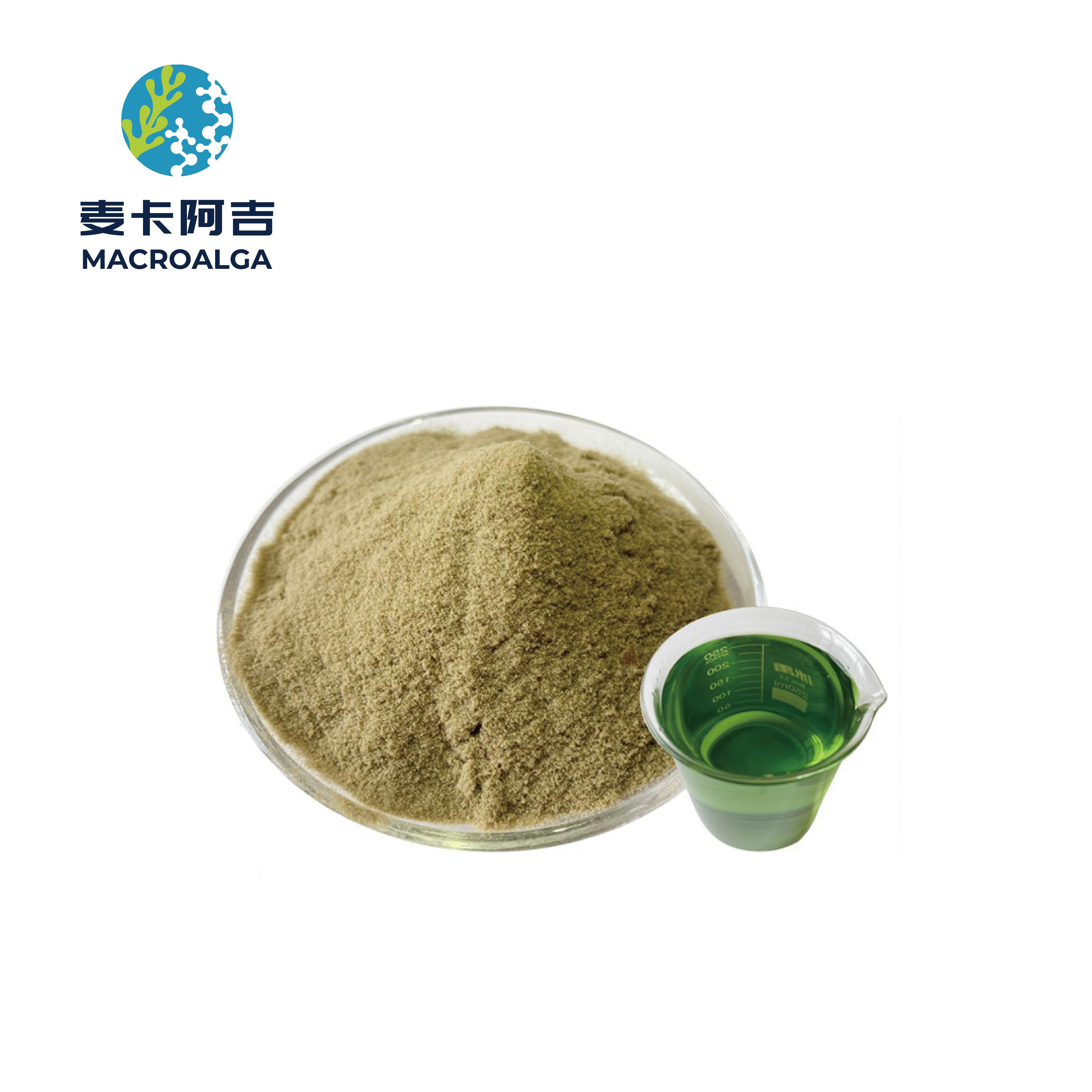
Heat has a way of forcing things out of plant material, but not everything it releases is welcome. When temperatures climb, delicate aromatic compounds break apart or evaporate before they ever reach the final product. We prefer a slower path that lets the raw ingredients give up their character on their own terms.
High-heat methods can also drag out harsher, bitter notes that would otherwise stay locked away. Once those compounds are in the mix, there's no easy way to remove them. Keeping the process cool preserves the clean, true flavor we're after—nothing burnt, nothing muddled.
There's also the matter of texture and clarity. Gentle extraction avoids the breakdown of pectins and other natural substances that can cloud a finished liquid or create unwanted viscosity. The result is a cleaner, brighter profile that simply wouldn't survive a hot steep.
Third-Party Testing That Goes Beyond the Basics
Instead of standard pass/fail checklists, rigorous third-party labs push products through scenarios that mimic years of wear in weeks. They cycle temperatures, saturate with humidity, and simulate voltage spikes far beyond rated specs. The goal is to expose weak points before customers ever do.
A more telling approach involves tearing down units after testing to inspect solder joints, capacitor swelling, and micro-cracks on boards — details basic certifications ignore. This component-level review catches latent failures that only appear under combined stresses.
The most useful reports don't just list compliance. They include raw measurement data, failure thresholds, and environmental extremes that caused degradation. That transparency lets engineers make informed trade-offs instead of trusting a badge.
Changes You'll Notice from Seedling to Harvest
At first, all you get is a pair of tiny seed leaves pushing through the soil, looking almost identical no matter what you planted. Within a week or so, the first true leaves show up, and that’s when the plant starts revealing its personality — serrated edges, fuzzy undersides, distinct veining. The stem thickens noticeably and may shift from pale green to a deeper, woodier tone as it prepares to support more weight.
Once flowering kicks in, the pace picks up fast. Buds swell, petals drop, and tiny fruit or seed pods form where the flowers used to be. You'll see a slow color break as chlorophyll fades and pigments take over — green tomatoes blush, pepper shoulders darken, herb leaves get a waxy sheen. In the final stretch, the plant often looks a bit tired, leaves yellowing from the bottom as energy moves into the harvestable parts.
Mixing Ratios That Make Sense for Vegetables and Turf
When mixing liquid fertilizers or soil amendments, the same concentration rarely works well for both vegetables and turf. Vegetables, especially young transplants and leafy greens, have relatively fine root systems that can be burned by a strong nutrient solution. A safer starting point for most vegetables is half the label rate, then adjust upward only after you see how the plants respond. Turf, on the other hand, covers a much larger area and its dense root mat can handle a slightly richer mix, particularly if you're pushing growth in early spring or after overseeding.
Practical ratios often hinge on the type of product and your watering habits. For water-soluble feeds, many vegetable growers settle around 1/2 to 3/4 strength for weekly applications, while lawn formulas might run closer to full strength but applied less frequently to avoid excessive top growth. One common mistake is using a lawn fertilizer on a vegetable bed at the same rate — the extra nitrogen can lead to lush foliage at the expense of fruit set, or even salt buildup in the soil. Reverse the situation, and a mild vegetable mix on turf may simply not deliver enough punch to green up the lawn.
Beyond the numbers, pay attention to your soil's existing fertility and the water you're using. Hard water can interact with some fertilizers, making them less available, so you might need to adjust the ratio slightly downward. Also, cool-season grasses and warm-season grasses have different uptake patterns, just as tomatoes and lettuce differ in their nutrient demands. Rather than treating the label as gospel, use it as a baseline and tweak the mix based on how fast the plants grow, leaf color, and overall vigor. Over time, you'll develop a feel for what your own garden and lawn actually need.
Small Batch Drying for a More Uniform Product
Drying in smaller quantities changes how heat and air move through the material. Instead of forcing a large mass to dry evenly from the outside in, a reduced load lets each piece receive closer to the same exposure. The result is less variation in moisture from one kernel, leaf, or granule to the next.
This approach also gives operators finer control over timing and temperature. When a batch is small enough to respond quickly to adjustments, you can hold it at a critical moisture range without over-drying the outer layer. That prevents the hard, crusted edges and soft centers that often plague single-pass drying of thick beds.
Uniformity shows up later as fewer clumps, better flow, and more predictable downstream behavior. Whether it is a food ingredient, a botanical sample, or a granulated powder, drying in small batches keeps the end product consistent from one run to the next rather than relying on blending to mask uneven results.
FAQ
We process fresh Ascophyllum nodosum within hours of harvest using a cold extraction method, so the cytokinins, betaines, and trace minerals stay intact instead of being degraded by heat. The result is a denser, more consistent product that performs well in both root drench and foliar use.
Our team harvests from cold-water Atlantic beds during peak growth cycles and immediately rinses the material with seawater to remove sand and epiphytes. Each batch is logged with coordinates and harvest date, so we can trace any drum back to the exact collection zone.
It is gentle enough for seedlings and cuttings, yet strong enough for fruit trees and high-demand vegetables. We recommend starting with a lower dilution for sensitive ornamentals and increasing gradually for heavy feeders like tomatoes and peppers.
For most potted plants, a dilution of 3 to 5 ml per liter of water every 10–14 days works well. During flowering or fruiting, you can use the same rate weekly, but avoid oversaturating the soil because the product is fairly concentrated.
We use a low-temperature enzymatic breakdown rather than harsh chemical hydrolysis. This keeps the alginic acid, mannitol, and naturally occurring growth regulators available in a form plants can take up quickly, without stripping away the microbial food value.
Many certified organic growers use it, but certification depends on the specific standards in your region. The product contains no synthetic binders or preservatives, and we can supply documentation for organic input review if your certifier requests it.
Most people notice improved root density and darker green growth within two to three weeks of consistent use. Stressed transplants often perk up faster, but results vary with soil temperature, light, and existing nutrient levels.
Yes, we supply bulk liquid and powder formats for farms, garden centers, and private label programs. You can choose from several packaging sizes, and we can adjust concentration or add custom labeling without changing the core formulation.
Conclusion
What sets a dependable seaweed fertilizer maker apart isn't a single selling point but how the raw material is handled long before it reaches your soil. Our harvest comes from cold-water ocean zones where Ascophyllum nodosum grows slowly and packs in a broader range of trace minerals, amino acids, and natural growth regulators than warm-water species. We then dry it in small batches at low temperature instead of running it through high-heat extraction, because heat can destroy the very compounds that help roots take up nutrients and handle stress. Each batch is checked by an independent lab for heavy metals, microbial load, and hormone-like activity, not just the basic NPK panel most suppliers rely on.
The payoff shows up in the field. From seedling stage you'll see stronger root initiation and less transplant shock; by flowering and fruit set, plants hold onto blooms longer and develop firmer, more even-sized produce. On vegetables, a working dilution of 1:500 every 10–14 days is usually enough, while turf responds better to 1:800 applied monthly during active growth. Because the powder is dried uniformly in small batches, it mixes without clumping, so your sprayer stays clean and the dose stays consistent from one application to the next. That consistency, not clever marketing, is why growers keep coming back to a manufacturer who treats seaweed fertilizer as a seasonal craft rather than a commodity.
Contact Us
Contact Person: Kevin ZHANG
Email: [email protected]
Tel/WhatsApp: 8613505438449
Website: https://www.macroalga.com/