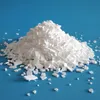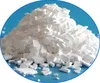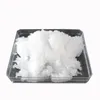
Flocculant
High-Performance Flocculants for Industrial Water Treatment
Flocculants are essential chemicals in water treatment processes, designed to separate suspended solids from liquids. Our premium flocculant solutions deliver superior performance across various industrial applications.
Key Product Features:
- Rapid sedimentation and clarification
- Excellent turbidity removal
- Wide pH range compatibility
- Low dosage requirements
- Environmentally friendly formulations
Technical Specifications
| Parameter | Anionic Flocculant | Cationic Flocculant | Non-ionic Flocculant |
|---|---|---|---|
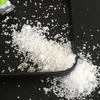
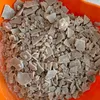
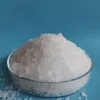
| Appearance | White powder/granules | White powder/granules | White powder/granules |
| Molecular Weight (million) | 8-20 | 5-12 | 3-15 |
| Degree of Hydrolysis (%) | 25-40 | N/A | 0-5 |
| Solubility Time (minutes) | ≤60 | ≤60 | ≤60 |
| pH Range | 5-10 | 3-11 | 2-12 |
Flocculant Application Guidelines
For optimal performance, follow these application procedures:
- Prepare 0.1-0.5% solution with clean water
- Apply mechanical agitation for complete dissolution
- Inject solution at turbulent mixing points
- Adjust dosage based on jar test results
Flocculant FAQ - Part 1
Q: What is the difference between coagulants and flocculants?
A: Coagulants neutralize charges on particles to form microflocs, while flocculants bridge these microflocs to form larger, settleable flocs. Flocculants typically have much higher molecular weights than coagulants and work through different mechanisms.
Q: How do I determine the optimal flocculant dosage?
A: Conduct jar tests with varying dosages (typically 0.5-10 ppm) under actual process conditions. The optimal dosage produces clear supernatant with fast-settling flocs. Field adjustments may be needed based on changing feed characteristics.
Industries We Serve
| Industry | Application | Recommended Type |
|---|---|---|
| Mineral Processing | Tailings dewatering | High MW anionic |
| Municipal Wastewater | Sludge thickening | Medium MW cationic |
| Food Processing | Clarification | Food-grade non-ionic |
| Oil & Gas | Produced water treatment | Temperature-stable cationic |
Flocculant FAQ - Part 2
Q: Can flocculants be used in drinking water treatment?
A: Yes, specific NSF-certified flocculants are approved for potable water applications. These products meet strict purity standards and must demonstrate no harmful residuals. Always verify certification status before use in drinking water systems.
Q: What factors affect flocculant performance?
A: Key factors include: water chemistry (pH, ionic content), temperature, mixing energy, solids concentration, and organic content. Product selection and dosing must account for all these variables to achieve optimal results.
Storage and Handling
- Store in cool, dry conditions below 30°C
- Keep containers tightly sealed
- Shelf life: 12 months in original packaging
- Use appropriate PPE when handling
- Avoid contamination with other chemicals
Flocculant FAQ - Part 3
Q: How should I prepare flocculant solutions?
A: Use clean water at ambient temperature. Slowly sprinkle powder into vortex while mixing at 200-400 rpm. Mix for 30-60 minutes until fully dissolved. Avoid excessive mixing that can degrade polymer chains. Prepare fresh solutions daily for best performance.
Q: What safety precautions apply when using flocculants?
A: Wear gloves, goggles, and dust mask when handling powders. Avoid skin contact with solutions. Provide adequate ventilation in mixing areas. Rinse skin immediately if contact occurs. Keep away from drains and watercourses to prevent environmental contamination.
Performance Comparison
| Parameter | Our Product | Industry Average |
|---|---|---|
| Clarification Rate | 98% | 90-95% |
| Dosage Requirement | 30% lower | Standard |
| Floc Formation Time | 2-5 minutes | 5-10 minutes |
| Temperature Stability | Up to 60°C | Up to 40°C |