Fluorescent Brightener
Fluorescent Brightener: The Ultimate Solution for Whiter and Brighter Materials
Fluorescent brighteners are optical brightening agents (OBAs) that absorb ultraviolet light and re-emit it as visible blue light. These specialized chemical compounds are widely used in industries such as textiles, paper, plastics, and detergents to enhance whiteness and brightness. Our premium quality Fluorescent Brightener offers superior performance with excellent stability and compatibility.
Key Specifications of Our Fluorescent Brightener
- Chemical Name: 4,4'-Bis(2-sulfostyryl)biphenyl disodium salt
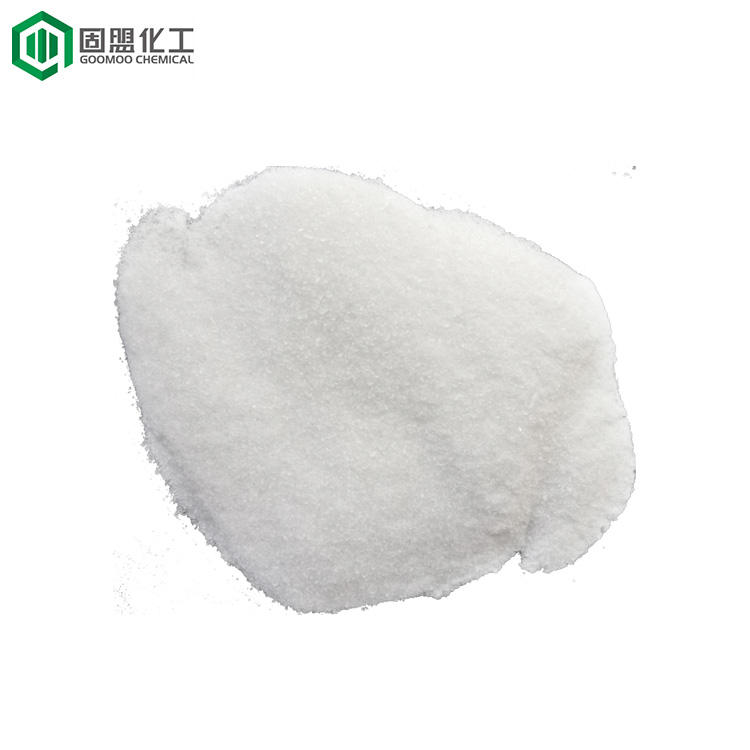
- Appearance: Light yellow crystalline powder
- Melting Point: >360°C
- Solubility: Soluble in water (up to 30 g/L at 25°C)
- pH Value: 7-9 (1% aqueous solution)
- Storage Conditions: Keep in cool, dry place away from light
Performance Characteristics
| Property | Specification | Test Method |
|---|---|---|
| Whiteness Index (CIE) | ≥125 | ISO 105-J02 |
| Light Fastness | Grade 5-6 | ISO 105-B02 |
| Washing Fastness | Grade 4-5 | ISO 105-C06 |
| Thermal Stability | Up to 200°C | DSC Method |
Application Guidelines
Our Fluorescent Brightener can be applied through various methods depending on the substrate:
- Textiles: 0.1-0.5% owf (on weight of fabric) in padding or exhaust processes
- Paper: 0.02-0.1% based on pulp in wet-end addition
- Plastics: 0.01-0.05% by weight in masterbatch
- Detergents: 0.1-0.3% by weight in final formulation
Fluorescent Brightener FAQ
1. What is the mechanism of Fluorescent Brightener?
Fluorescent Brighteners work by absorbing ultraviolet light (typically in the 340-370 nm range) and re-emitting it as visible blue light (420-470 nm). This blue emission counteracts the natural yellowish tint of many materials, making them appear whiter and brighter to the human eye. The process involves π→π* electron transitions in the conjugated systems of the brightener molecules.
2. How does your Fluorescent Brightener compare to competitors?
Our Fluorescent Brightener stands out due to its exceptional photostability, high whitening efficiency, and broad substrate compatibility. We use pharmaceutical-grade raw materials and implement stringent quality control measures to ensure batch-to-batch consistency. Independent tests show our product maintains 95% of its effectiveness after 50 industrial washes, compared to 80-85% for standard alternatives.
3. What safety precautions should be taken when handling Fluorescent Brightener?
While our Fluorescent Brightener is classified as non-hazardous under normal conditions, we recommend standard safety measures: wear protective gloves and goggles when handling powder, avoid inhalation of dust, and ensure adequate ventilation. The product meets all REACH and FDA requirements for intended applications. Always refer to the Material Safety Data Sheet (MSDS) for complete handling instructions.
Technical Benefits of Our Fluorescent Brightener
| Feature | Advantage | Application Benefit |
|---|---|---|
| High Purity (>99%) | Consistent performance | Predictable results in production |
| Excellent Solubility | Easy incorporation | Reduced processing time |
| Broad pH Stability | Versatile applications | Compatible with various formulations |
| Low Volatility | Reduced loss during processing | Cost-effective usage |
Quality Assurance
Every batch of our Fluorescent Brightener undergoes rigorous testing including:
- HPLC analysis for purity verification
- Spectrophotometric testing for absorption/emission characteristics
- Accelerated aging tests for stability assessment
- Application performance tests on standard substrates
Additional Fluorescent Brightener FAQ
4. What is the shelf life of Fluorescent Brightener?
When stored properly in original packaging at temperatures below 30°C and protected from moisture, our Fluorescent Brightener maintains optimal performance for 24 months from production date. Prolonged exposure to high humidity or direct sunlight may reduce effectiveness. For best results, use opened containers within 6 months.
5. Can Fluorescent Brightener be used in food-contact materials?
Our Fluorescent Brightener is FDA compliant for indirect food contact applications when used at recommended concentrations. Specific grades are available for food packaging materials meeting EU 10/2011 and FDA 21 CFR 178.3297 standards. Always verify regulatory compliance for your specific application and jurisdiction.
6. How do I determine the optimal dosage of Fluorescent Brightener?
The optimal dosage depends on substrate type, desired whiteness level, and application method. We recommend starting with our general guidelines and conducting small-scale trials. Typically, effectiveness plateaus at certain concentrations (usually 0.3-0.5% for textiles), beyond which additional brightener may not improve results but could increase cost. Our technical team can provide customized recommendations based on your specific requirements.
Environmental Considerations
Our Fluorescent Brightener is designed with environmental responsibility:
- Biodegradability: >60% in 28 days (OECD 301B)
- Low aquatic toxicity (LC50 >100 mg/L)
- Free from heavy metals and restricted substances
- Compliant with ZDHC MRSL standards
For optimal environmental performance, we recommend wastewater treatment systems that include activated sludge processes, which effectively remove over 90% of Fluorescent Brightener residues.
Packaging Options
| Package Type | Size | Special Features |
|---|---|---|
| Plastic-lined paper bags | 25 kg | Moisture barrier, stackable |
| Fiber drums | 50 kg | UN-certified, pallet-friendly |
| Custom packaging | Variable | Available upon request |
Final Fluorescent Brightener FAQ
7. Does Fluorescent Brightener affect material strength?
At recommended usage levels, our Fluorescent Brightener has negligible effect on the mechanical properties of treated materials. Extensive testing shows no significant impact on tensile strength, elongation, or tear resistance in textiles; paper burst strength; or plastic impact resistance. The brightener molecules integrate at molecular level without disrupting material structure.
8. How does Fluorescent Brightener perform under different light sources?
Our Fluorescent Brightener is optimized for performance under various lighting conditions: it shows excellent results under daylight (D65 illuminant), good performance under fluorescent lighting (F2), and moderate effect under incandescent light (A illuminant). The product is particularly effective in environments with UV-containing light sources, including natural sunlight.
9. What technical support do you offer for Fluorescent Brightener applications?
We provide comprehensive technical support including application guidelines, troubleshooting assistance, and formulation recommendations. Our team of chemists can help optimize your process parameters, conduct laboratory trials, and develop custom solutions. We also offer on-site technical visits for major customers and can assist with regulatory documentation for specific markets.