Polypropylene
Polypropylene: A High-Performance Plastic for Diverse Applications
Polypropylene (PP) is one of the most versatile thermoplastics used across industries. Known for its excellent chemical resistance, durability, and cost-effectiveness, polypropylene has become a preferred material for packaging, automotive components, medical devices, and consumer products.
Key Properties of Polypropylene
- High melting point (130-171°C) for heat resistance
- Excellent chemical resistance against acids, bases, and solvents
- Low density (0.905 g/cm³) providing lightweight solutions
- Good fatigue resistance for hinged applications
- Electrical insulator properties
- Moisture resistance for packaging applications
Technical Specifications
| Property | Value | Test Method |
|---|---|---|
| Tensile Strength | 25-40 MPa | ASTM D638 |
| Flexural Modulus | 1,000-1,500 MPa | ASTM D790 |
| Impact Strength (Izod) | 20-100 J/m | ASTM D256 |
| Heat Deflection Temperature | 100-120°C at 0.45 MPa | ASTM D648 |
Polypropylene Grades We Offer
- Homopolymer PP - General purpose with high strength
- Copolymer PP - Enhanced impact resistance
- Reinforced PP - With glass fiber for structural applications
- Flame Retardant PP - Meets UL94 standards
- Medical Grade PP - Complying with FDA and USP Class VI
Polypropylene FAQ
What makes polypropylene different from polyethylene?
Polypropylene has a higher melting point (160°C vs 115°C for PE) and better chemical resistance, especially against organic solvents. While polyethylene is more flexible, polypropylene offers greater rigidity and heat resistance, making it suitable for applications requiring sterilization. The methyl group in polypropylene's structure gives it these superior properties compared to polyethylene.
How does polypropylene perform in outdoor applications?
Standard polypropylene requires UV stabilizers for outdoor use as it degrades under prolonged sunlight exposure. We offer specially formulated UV-stabilized polypropylene grades that maintain mechanical properties for years in outdoor environments. For critical applications, carbon black-filled PP provides the best UV resistance, while clear stabilized grades are available for applications requiring transparency.
Can polypropylene be recycled?
Yes, polypropylene is fully recyclable (Resin Identification Code 5). It can be melted and reprocessed multiple times without significant property degradation, making it an environmentally friendly choice. Our production facility incorporates 30% post-industrial recycled polypropylene in many products without compromising quality. Recycling polypropylene saves about 80% of the energy needed to produce virgin material.
Processing Methods for Polypropylene
| Method | Typical Applications | Advantages |
|---|---|---|
| Injection Molding | Containers, automotive parts | High volume production, tight tolerances |
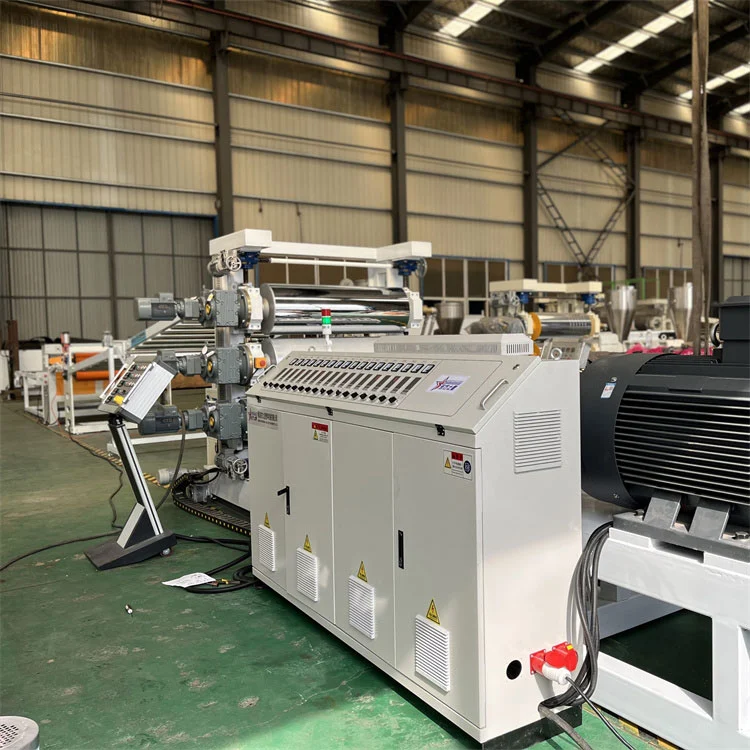
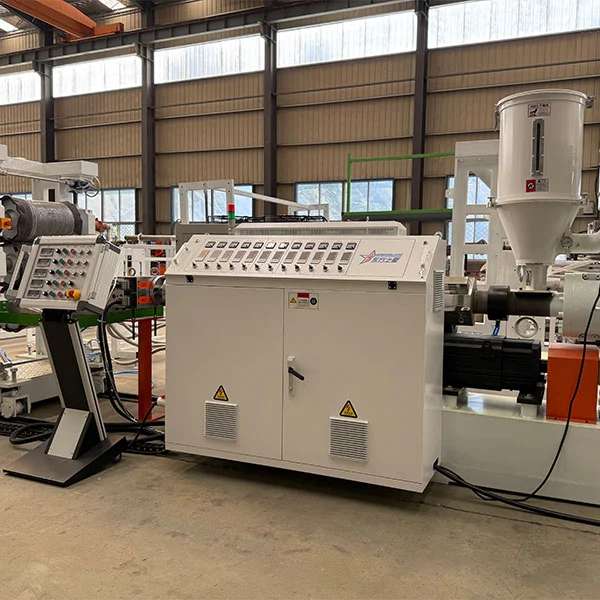
| Extrusion | Pipes, sheets, fibers | Continuous profiles, cost-effective |
| Thermoforming | Food packaging, disposable cups | Thin-walled products, rapid production |
Our polypropylene products meet international quality standards including ISO 9001, FDA (for food contact applications), and RoHS compliance for electronics applications. We can customize polypropylene formulations to meet specific mechanical property requirements, color matching needs, or special additive packages for unique applications.