Polyvinyl chloride
Polyvinyl Chloride (PVC): The Versatile Polymer Solution
Polyvinyl chloride, commonly known as PVC, is one of the most widely used thermoplastic polymers in various industries. This durable and cost-effective material offers exceptional versatility, making it ideal for countless applications from construction to medical devices.
Key Specifications of Our Polyvinyl Chloride Products
- Material Type: Rigid and Flexible PVC formulations
- Density: 1.3-1.45 g/cm³
- Tensile Strength: 40-80 MPa (rigid); 10-25 MPa (flexible)
- Thermal Stability: -20°C to +60°C (continuous use)
- Flame Resistance: Self-extinguishing (meets UL94 standards)
- Chemical Resistance: Excellent resistance to acids, alkalis, and oils
| Grade | Applications | Processing Temp (°C) | Color Options |
|---|---|---|---|
| PVC-U | Pipes, window profiles | 170-210 | White, Grey, Custom |
| PVC-P | Cables, flooring | 160-190 | Multiple colors |
| PVC-C | Chemical resistant pipes | 190-220 | Yellow, Grey |
| Medical Grade | IV bags, tubing | 150-180 | Clear |
Polyvinyl Chloride FAQ
What makes Polyvinyl chloride different from other plastics?
Polyvinyl chloride stands out due to its unique combination of properties: excellent chemical resistance, good electrical insulation, flame retardancy, and cost-effectiveness. Unlike many other plastics, PVC can be formulated to be either rigid or flexible without altering its basic chemical composition, making it adaptable for diverse applications. Additionally, PVC has better dimensional stability than most thermoplastics and can be recycled multiple times.
Is Polyvinyl chloride safe for food contact and medical applications?
Yes, when properly formulated, Polyvinyl chloride is completely safe for food contact and medical use. Medical-grade PVC meets strict FDA and European regulatory standards. For food packaging, PVC formulations use specially approved additives that don't migrate into food. In medical applications, PVC's clarity, flexibility, and sterilizability make it ideal for blood bags, IV tubing, and other critical healthcare products.
Primary Applications of Polyvinyl Chloride
- Construction: Pipes, window frames, roofing membranes
- Healthcare: Medical tubing, blood bags, blister packaging
- Electronics: Cable insulation, wire jacketing
- Automotive: Interior trim, underbody coating
- Consumer Goods: Credit cards, toys, footwear
Technical Advantages of Polyvinyl Chloride
| Property | Advantage |
|---|---|
| Chemical Resistance | Withstands most acids, alkalis, and alcohols |
| Weather Resistance | Excellent UV stability when properly compounded |
| Mechanical Strength | High tensile and impact strength in rigid forms |
| Flame Retardancy | Naturally fire-resistant, self-extinguishing |
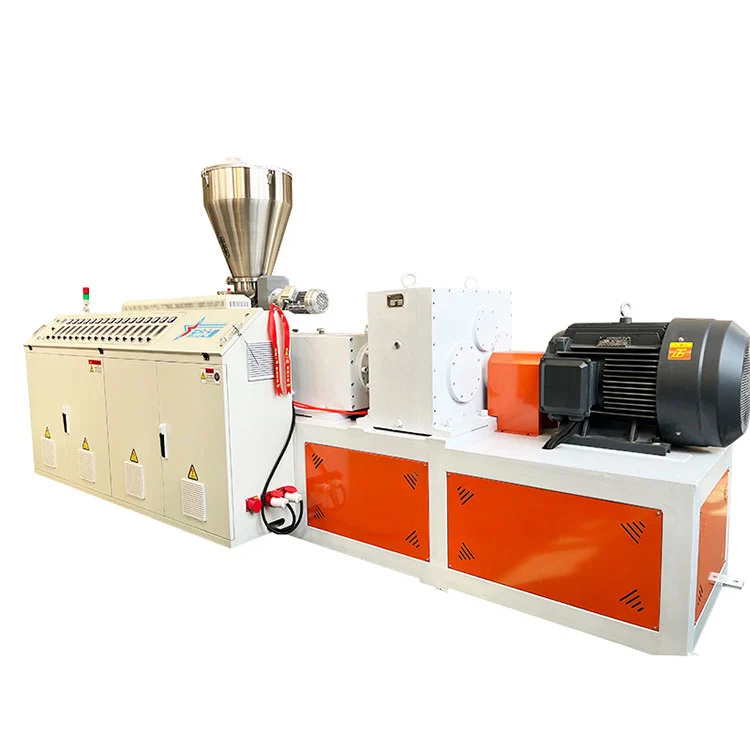
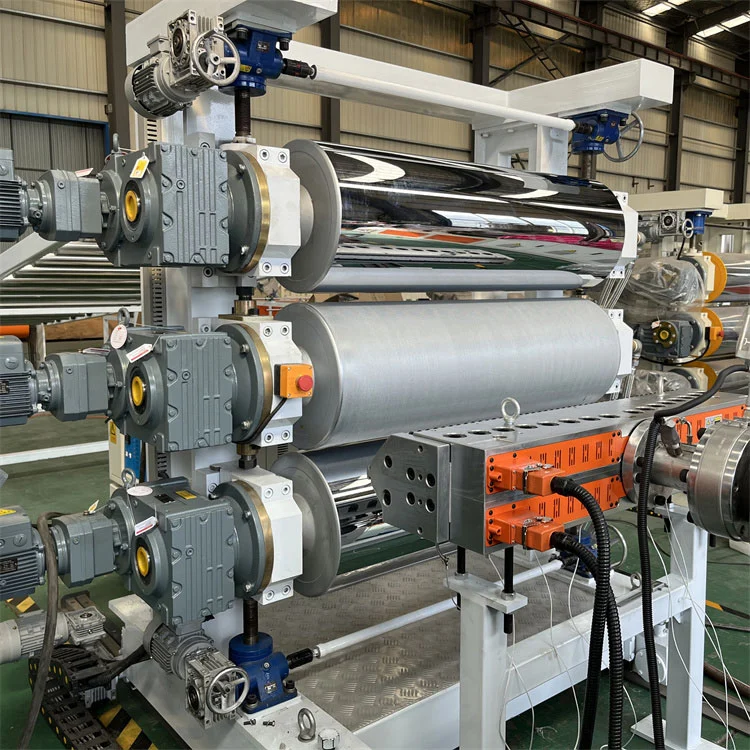
| Processing Ease | Easily extruded, injection molded, or calendered |
How does Polyvinyl chloride impact the environment compared to other plastics?
Polyvinyl chloride has a complex environmental profile. While it's derived from fossil fuels like other plastics, PVC requires less energy to produce than many alternatives. Its durability leads to long product lifecycles, reducing replacement frequency. PVC is technically recyclable, though collection infrastructure varies by region. Modern production methods have significantly reduced environmental impact through improved efficiency and the phase-out of harmful additives. Lifecycle analyses often show PVC performs favorably compared to alternative materials in many applications.
Selecting the Right Polyvinyl Chloride Grade
Choosing the appropriate PVC formulation depends on several factors:
- Application Requirements: Consider mechanical, thermal, and chemical needs
- Regulatory Compliance: Food contact, medical, or building code standards
- Processing Method: Extrusion, injection molding, or calendering
- Environmental Conditions: UV exposure, temperature ranges, chemical contact
- Aesthetic Needs: Color, transparency, surface finish requirements
Our technical team can help specify the perfect Polyvinyl chloride compound for your specific application, balancing performance requirements with cost considerations.