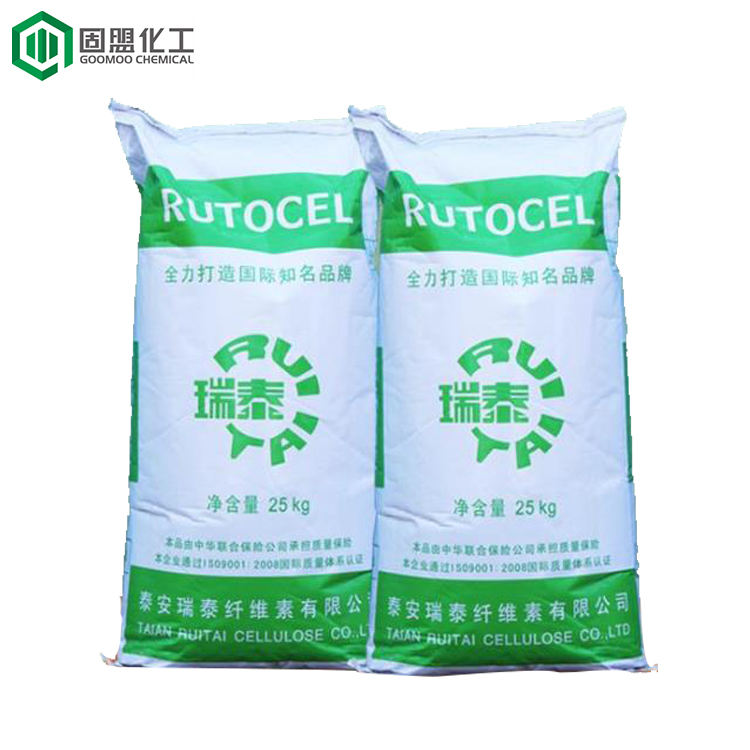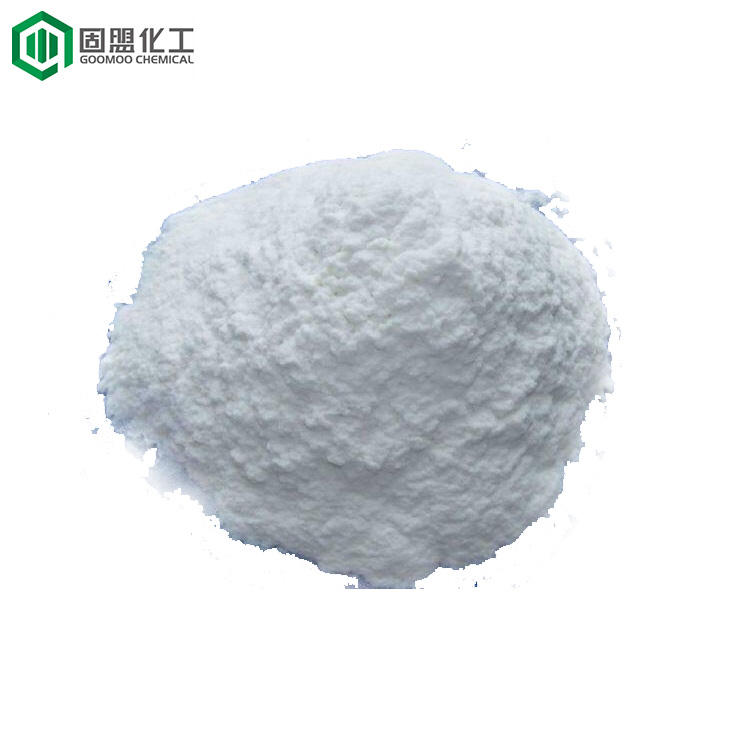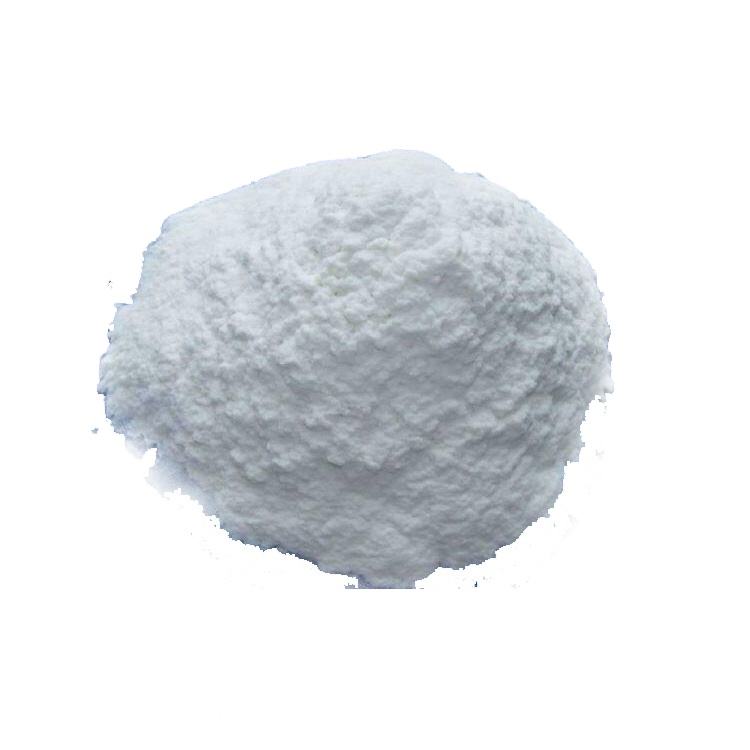
Sucralose
High-Quality Sucralose: The Perfect Zero-Calorie Sweetener
Sucralose is a no-calorie artificial sweetener that's 600 times sweeter than sugar. Our premium Sucralose powder offers exceptional stability under heat and a long shelf life, making it ideal for food manufacturers and health-conscious consumers.
Product Specifications
- Chemical Name: 1,6-Dichloro-1,6-dideoxy-β-D-fructofuranosyl-4-chloro-4-deoxy-α-D-galactopyranoside
- Appearance: White crystalline powder
- Purity: ≥98.0%
- Solubility: Highly soluble in water (28.2 g/100 mL at 20°C)
- Sweetness: 400-800 times sweeter than sucrose
- Calories: 0 kcal/g
- pH Value: 5.0-7.0 (10% aqueous solution)
- Loss on Drying: ≤2.0%
- Heavy Metals: ≤10 ppm
Technical Parameters
| Parameter | Specification | Test Method |
|---|---|---|
| Assay (HPLC) | ≥98.0% | USP |
| Related Substances | ≤2.0% | HPLC |
| Residue on Ignition | ≤0.7% | USP |
| Lead Content | ≤1 mg/kg | ICP-MS |
| Microbial Limits | ≤1000 cfu/g | USP |
| Shelf Life | 36 months | - |
Sucralose FAQ
Q: Is Sucralose safe for daily consumption?
A: Yes, Sucralose has been approved as safe by numerous regulatory agencies worldwide including the FDA, EFSA, and JECFA. The FDA's Acceptable Daily Intake (ADI) for Sucralose is 5 mg per kg of body weight per day, which equates to about 23 packets of Sucralose sweetener for a 150 lb person.
Q: How does Sucralose compare to other artificial sweeteners?
A: Sucralose offers several advantages: it's heat stable (unlike aspartame), doesn't have the bitter aftertaste of saccharin, and is more potent than most other sweeteners. Unlike some sugar alcohols, Sucralose doesn't cause digestive issues when consumed in normal amounts.
Q: Can Sucralose be used in baking?
A: Absolutely! Sucralose maintains its sweetness even at high temperatures, making it excellent for baking. However, since it's much sweeter than sugar, you'll need to adjust recipes accordingly. For best results in baked goods, we recommend using Sucralose in combination with bulking agents.
Applications of Sucralose
- Beverages: Soft drinks, juices, and flavored waters
- Dairy Products: Yogurts, ice creams, and milk-based drinks
- Baked Goods: Cookies, cakes, and pastries
- Confectionery: Chewing gums, candies, and chocolates
- Pharmaceuticals: Syrups and chewable tablets
- Nutritional Products: Protein powders and meal replacements
Storage & Handling
Sucralose should be stored in a cool, dry place away from direct sunlight. Keep containers tightly closed when not in use. Under proper storage conditions, our Sucralose maintains optimal quality for 3 years from production date.
More Sucralose Questions
Q: Does Sucralose affect blood sugar levels?
A: Clinical studies show Sucralose has no effect on blood glucose or insulin levels in healthy individuals or people with diabetes. However, as with any dietary change, those with specific health conditions should consult their healthcare provider.
Q: Is Sucralose suitable for ketogenic diets?
A: Yes, Sucralose contains zero carbohydrates and doesn't impact ketosis, making it an excellent sweetener choice for keto and other low-carb diets. Many commercial keto products use Sucralose as their primary sweetener.
Q: How should I convert sugar to Sucralose in recipes?
A: As a general rule, use 1 teaspoon of Sucralose powder to replace 1 cup of sugar. However, the exact conversion depends on the product formulation and desired sweetness level. Our technical team can provide specific usage recommendations for your application.
Packaging Options
| Package Type | Quantity | MOQ |
|---|---|---|
| Double PE Bags in Fiber Drums | 25 kg/drum | 4 drums |
| Aluminum Foil Bags | 1 kg/bag | 20 bags |
| Food-Grade Plastic Jars | 500 g/jar | 40 jars |
| Bulk Packaging | 500 kg/pallet | 1 pallet |
Q: Is Sucralose environmentally friendly?
A: Sucralose shows minimal environmental impact as it's not metabolized by most organisms and doesn't accumulate in the environment. Wastewater treatment plants effectively remove Sucralose, and environmental concentrations remain well below levels of concern.
Q: Does Sucralose cause cravings for sweet foods?
A: Current research indicates that Sucralose doesn't stimulate hunger or increase sweet cravings more than water does. Some studies suggest intense sweeteners might help reduce overall sugar consumption when used as part of a balanced diet.
Q: Can people with phenylketonuria (PKU) consume Sucralose?
A: Yes, unlike aspartame, Sucralose doesn't contain phenylalanine and is safe for individuals with PKU. This makes Sucralose one of the few artificial sweeteners suitable for this condition.