Polyethylene Resin
Polyethylene Resin is a versatile thermoplastic polymer widely used in various industrial and consumer applications. As one of the most commonly produced plastics globally, it offers excellent chemical resistance, durability, and flexibility.
Key Characteristics of Our Polyethylene Resin
- High-density molecular structure for superior strength
- Excellent resistance to most chemicals and solvents
- Low moisture absorption properties
- Good impact resistance even at low temperatures
- Excellent electrical insulation properties
- FDA compliant grades available for food contact applications
Technical Specifications
| Property | Value | Test Method |
|---|---|---|
| Density | 0.91-0.96 g/cm³ | ASTM D792 |
| Melt Flow Index | 0.1-50 g/10min | ASTM D1238 |
| Tensile Strength | 15-40 MPa | ASTM D638 |
| Elongation at Break | 100-1000% | ASTM D638 |
| Vicat Softening Point | 75-130°C | ASTM D1525 |
Common Applications for Polyethylene Resin
- Plastic bags and packaging films
- Containers and bottles
- Toys and household goods
- Pipes and fittings for plumbing
- Wire and cable insulation
- Automotive components
- Medical device packaging
Polyethylene Resin FAQ
What are the main types of Polyethylene Resin?
The three primary types are: High-Density Polyethylene (HDPE) - known for its strength and rigidity; Low-Density Polyethylene (LDPE) - more flexible with greater transparency; and Linear Low-Density Polyethylene (LLDPE) - offering a balance between strength and flexibility with superior impact resistance.
How does Polyethylene Resin compare to other plastics?
Polyethylene Resin stands out for its excellent chemical resistance, low moisture absorption, and good impact strength. It's generally more flexible than polypropylene and more chemical-resistant than polystyrene. Compared to PVC, it doesn't contain chlorine and is more environmentally friendly in production and disposal.
What temperature range can Polyethylene Resin withstand?
Standard Polyethylene Resin typically performs well between -50°C to 80°C (-58°F to 176°F). Special grades can extend this range, with some high-performance formulations stable up to 100°C (212°F). For applications requiring higher temperature resistance, cross-linked polyethylene (PEX) may be recommended.
Available Grades of Polyethylene Resin
| Grade | MFI (g/10min) | Density (g/cm³) | Primary Applications |
|---|---|---|---|
| HDPE 5000S | 0.8-1.2 | 0.952-0.955 | Blow molding, pipes, industrial containers |
| LDPE 2420H | 2.0 | 0.923 | Flexible packaging films, laminates |
| LLDPE 7042 | 2.0 | 0.918 | Stretch films, pouches, liners |
| HDPE 9455F | 20.0 | 0.955 | Injection molding, thin-wall containers |
Processing Methods for Polyethylene Resin
- Injection Molding: Ideal for complex, high-volume parts
- Blow Molding: Perfect for hollow containers and bottles
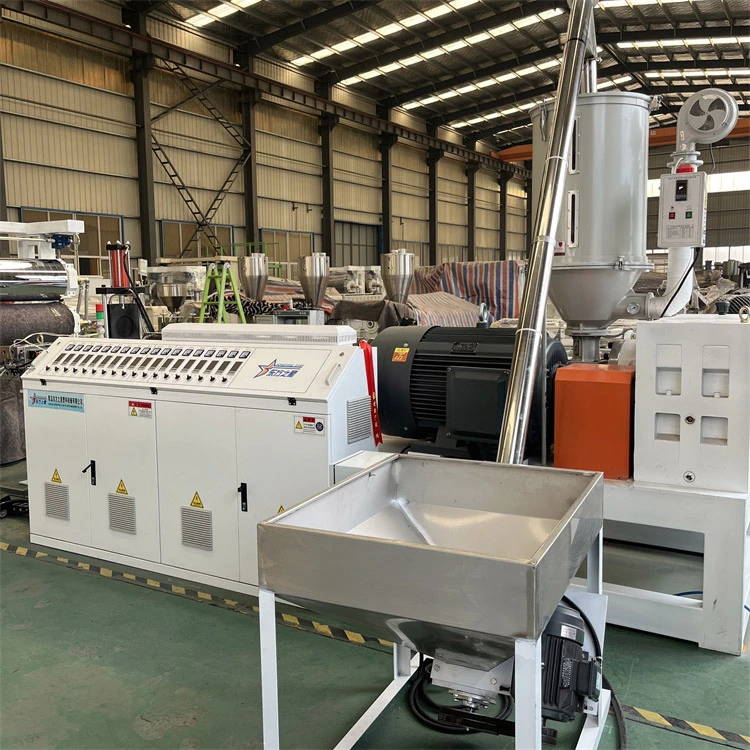
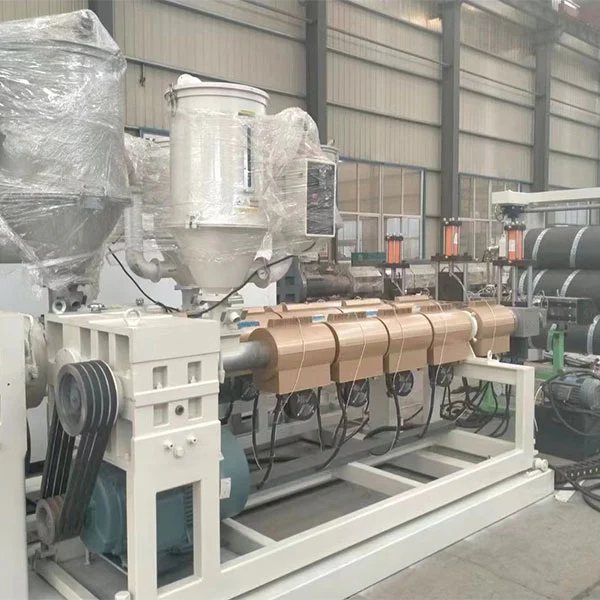
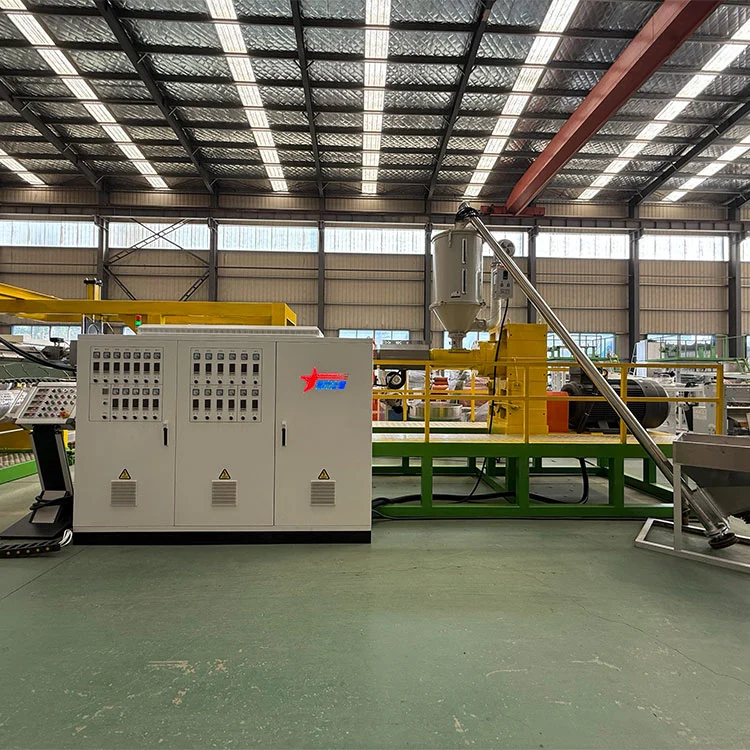
- Extrusion: Used for pipes, profiles, and films
- Rotational Molding: For large, hollow parts like tanks
- Thermoforming: Creates disposable containers and packaging
Safety and Environmental Considerations
Our Polyethylene Resin meets all international safety standards including FDA, EU, and RoHS compliance where applicable. It is non-toxic in normal use and fully recyclable under resin identification codes #2 (HDPE) and #4 (LDPE). We offer sustainable options including post-consumer recycled content and bio-based polyethylene alternatives.