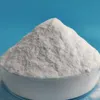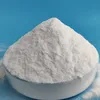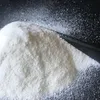
Premium Inorganic Chemicals for Industrial and Commercial Applications
As a leading manufacturer and supplier of high-quality inorganic chemicals, we offer an extensive range of products that meet the strictest industry standards. Our inorganic chemicals are widely used across multiple industries including pharmaceuticals, agriculture, water treatment, and manufacturing.
Key Features of Our Inorganic Chemicals
- High Purity Levels: All products undergo rigorous purification processes to ensure 99.5%+ purity
- Strict Quality Control: Manufactured in ISO-certified facilities with batch-to-batch consistency
- Custom Formulations: Available in various concentrations and particle sizes to meet specific requirements
- Global Compliance: Meets international standards including USP, BP, EP, and FCC
- Eco-Friendly Options: Sustainable production methods with minimal environmental impact
Our Product Range
| Product Name | CAS Number | Purity | Packaging Options | Common Applications |
|---|---|---|---|---|
| Sodium Hydroxide | 1310-73-2 | 99% min | 25kg bags, 1MT big bags, liquid in tankers | pH adjustment, soap making, food processing |
| Calcium Carbonate | 471-34-1 | 98.5% min | 25kg bags, 50kg drums, bulk | Paper filler, rubber, plastics, construction |
| Ammonium Chloride | 12125-02-9 | 99.5% min | 25kg bags, 50kg drums | Fertilizers, batteries, metal treatment |
| Potassium Permanganate | 7722-64-7 | 99% min | 25kg drums, 50kg drums | Water treatment, disinfection, chemical synthesis |
Technical Specifications
| Parameter | Sodium Hydroxide | Calcium Carbonate | Ammonium Chloride | Potassium Permanganate |
|---|---|---|---|---|
| Molecular Weight | 40.00 g/mol | 100.09 g/mol | 53.49 g/mol | 158.03 g/mol |
| Melting Point | 318°C | 825°C (decomposes) | 338°C | 240°C (decomposes) |
| Boiling Point | 1,388°C | NA (decomposes) | Sublimes at 340°C | NA (decomposes) |
| Solubility in Water | 1110 g/L (20°C) | 0.014 g/L (25°C) | 244 g/L (0°C) | 64 g/L (20°C) |
Inorganic Chemicals FAQ
What safety precautions should be taken when handling inorganic chemicals?
When handling inorganic chemicals, always wear appropriate personal protective equipment (PPE) including chemical-resistant gloves, safety goggles, and protective clothing. Work in well-ventilated areas and have emergency showers/eye wash stations available. Store chemicals properly in labeled, compatible containers away from incompatible substances. Have Material Safety Data Sheets (MSDS) readily available for reference.
How should inorganic chemicals be stored for long-term preservation?
Most inorganic chemicals should be stored in cool, dry places away from direct sunlight and moisture. Maintain storage temperatures between 15-25°C when possible. Keep containers tightly sealed when not in use to prevent contamination or moisture absorption. Separate oxidizing agents from reducing agents and acids from bases. Store heavier containers on lower shelves to prevent accidents.
What are the key differences between organic and inorganic chemicals?
Inorganic chemicals are generally mineral-based compounds that don't contain carbon-hydrogen bonds (with some exceptions like carbonates and cyanides), while organic chemicals are carbon-based compounds typically containing C-H bonds. Inorganic chemicals are often simpler in structure, more stable at high temperatures, and more soluble in water. They're typically derived from mineral sources rather than living organisms.
Handling and Storage Guidelines
- Store in original containers with intact labels
- Maintain proper inventory rotation (FIFO system)
- Keep storage areas clean and well-organized
- Implement spill containment measures
- Regularly inspect containers for damage or deterioration
Industry Applications
| Industry | Common Inorganic Chemicals Used | Primary Functions |
|---|---|---|
| Water Treatment | Aluminum sulfate, Sodium hypochlorite, Ferric chloride | Coagulation, disinfection, pH adjustment |
| Agriculture | Ammonium nitrate, Potassium chloride, Superphosphate | Fertilization, soil amendment, pest control |
| Manufacturing | Sodium carbonate, Titanium dioxide, Zinc oxide | Catalysts, pigments, process chemicals |
| Pharmaceuticals | Magnesium hydroxide, Calcium phosphate, Sodium chloride | Excipients, active ingredients, buffers |
Quality Assurance
Our inorganic chemicals production follows stringent quality control protocols:
- Raw material inspection and testing
- In-process quality checks at critical control points
- Final product analysis using advanced analytical techniques (AAS, ICP-OES, HPLC)
- Third-party laboratory verification for key parameters
- Comprehensive documentation and batch traceability
Global Standards Compliance
Our inorganic chemicals meet or exceed the following international standards:
- United States Pharmacopeia (USP)
- European Pharmacopoeia (EP)
- British Pharmacopoeia (BP)
- Food Chemicals Codex (FCC)
- REACH and TSCA regulations
- ISO 9001:2015 quality management